e-bike
0
Share your world — a family enjoying an adventure beside the ocean


Thu, 29 Oct 2026
Local Rules Matter: Checking E-Bike Access Before You Ride

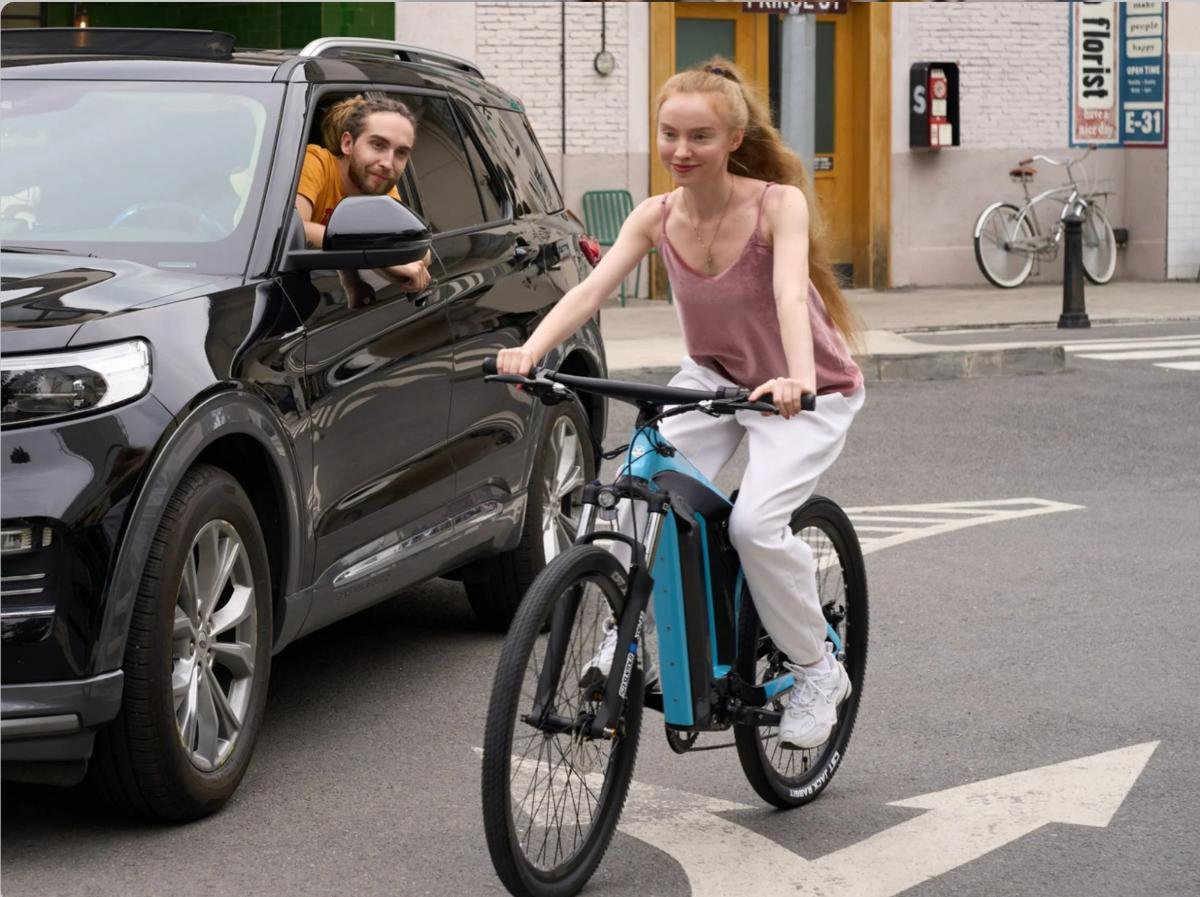
Federal law sets a baseline for low-speed e-bikes, but states and cities decide where Class 1–3 bikes can go. Class 1 usually has the broadest access to multi-use paths; Class 3 is often restricted to roads. Helmet rules, minimum ages, and speed limits on paths vary. Some places require registration for certain classes or ban uncertified batteries after fire incidents. Parks and trails may post separate rules. Before buying or riding a new route, check official city/state sites or local bike advocacy groups. Rules change, so verify current guidance. Compliant, certified bikes reduce legal and safety friction.

What’s the strictest or most surprising local rule you’ve encountered?

Posted 20:28 
No comments | Post a comment

Fat-Tire E-Bikes: Grip and Stability Beyond Pavement

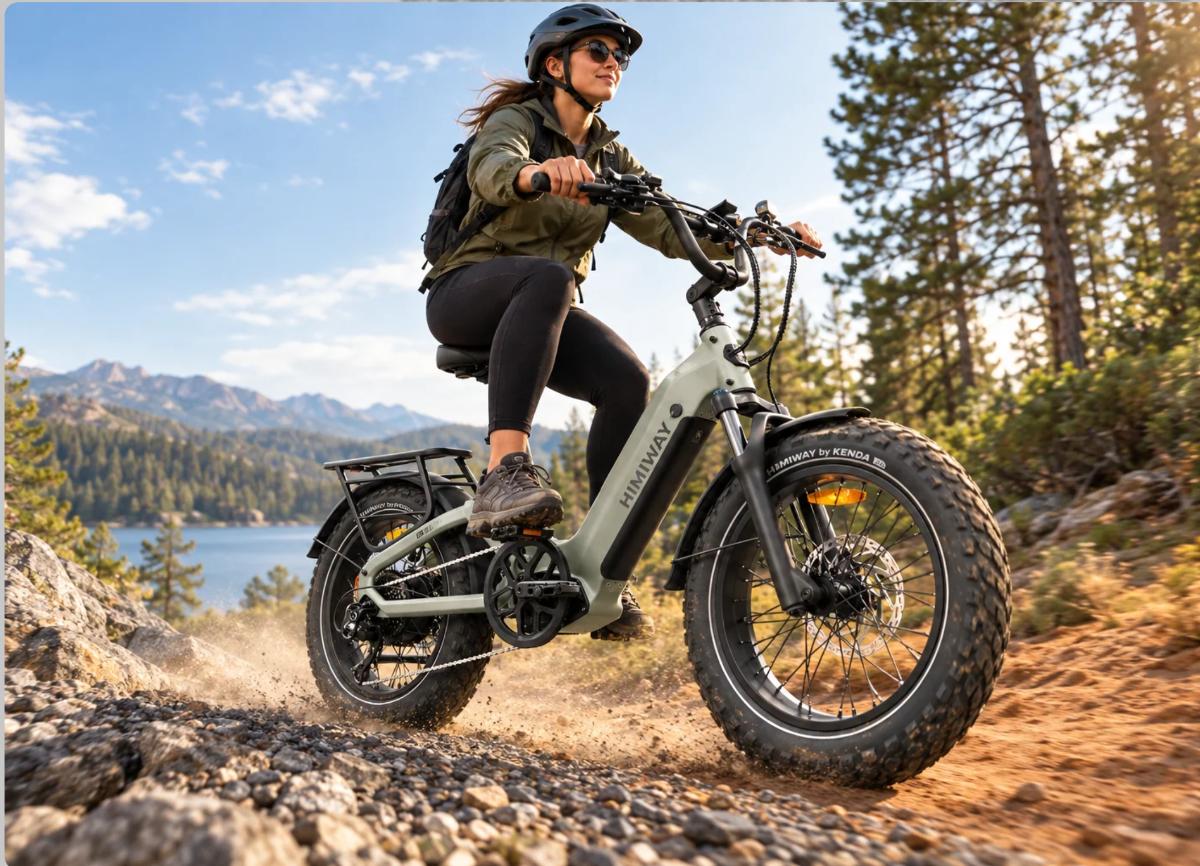
Wide, low-pressure tires (often 4+ inches) excel on sand, gravel, snow, or rough trails where standard bikes struggle. They add flotation and confidence, making all-terrain or beach rides more accessible. Pair them with a sturdy frame, good suspension, and sufficient battery (heavier tires and soft surfaces increase power use). Expect shorter range than a narrow-tire commuter on pavement. They’re popular for mixed urban-to-trail use or winter riding. Drawbacks include weight and rolling resistance on hard surfaces. Choose puncture-resistant casings and keep pressure adjusted for conditions. Many riders find them more forgiving for beginners on imperfect surfaces.

Have you ridden a fat-tire e-bike? What surfaces surprised you?


Posted 20:28 
No comments | Post a comment

Basic Maintenance to Keep Your E-Bike Reliable

Beyond battery care, focus on the mechanical parts. Clean and lubricate the chain regularly (more often in wet or dusty conditions). Check tire pressure and inspect for wear—e-bike weight and speed accelerate it. Brake pads wear faster; inspect monthly and replace before they’re thin. Torque critical bolts (especially motor mounts and racks) periodically. Have a qualified shop service the bike every 6–12 months or after heavy mileage. Store indoors when possible. Keep software/firmware updated if your system supports it. These steps prevent most roadside issues and preserve range and safety.

What’s the maintenance task you do most often, or the one you’ve put off?


Posted 20:28 
No comments | Post a comment

Do E-Bikes Still Count as Exercise?

Yes. Studies show e-bike riders often get a large share of the cardiovascular benefit of conventional cycling while covering greater distances more consistently. You still pedal and elevate heart rate; the motor reduces effort on hills or against wind rather than replacing it entirely. Many people ride farther and more often because it’s less punishing. Lower assist settings increase workout intensity. Combined with regular riding, this supports fitness goals without the all-or-nothing barrier of a traditional bike. Track distance or effort if motivation helps. It’s particularly useful for those returning to activity or managing joint issues.

How has (or would) an e-bike change the amount you ride?


Posted 20:28 
No comments | Post a comment

Practical Safety Tips for E-Bike Riders

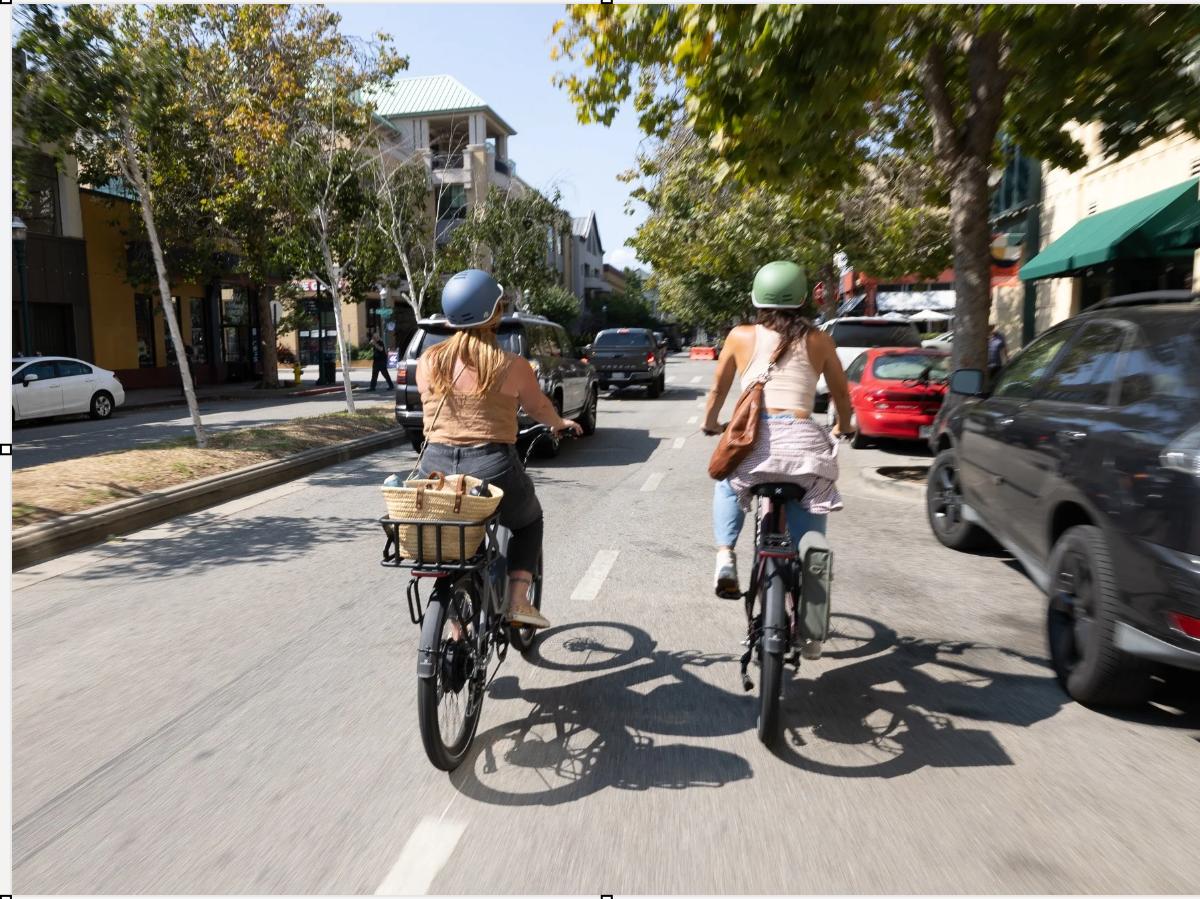
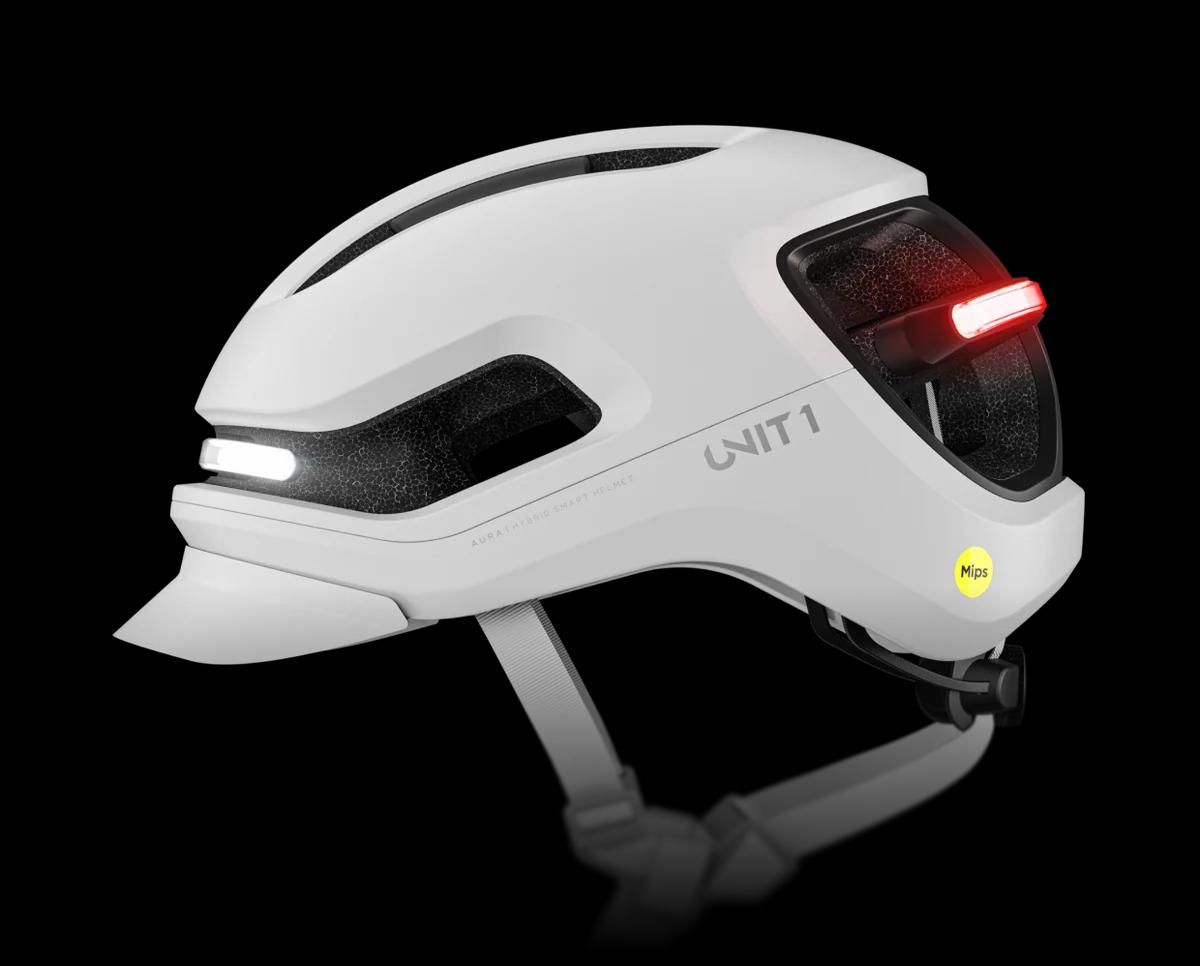
Higher speeds and weight mean brakes, tires, and visibility matter more than on a regular bike. Wear a helmet (MIPS models help with rotational impacts); many places require them for Class 3 or younger riders. Add front and rear lights, a mirror, and bright clothing—especially at dusk. Ride predictably: signal, yield, and match speed to the path or traffic. Start in lower assist to learn handling; e-bikes accelerate quickly. Inspect tires, brakes, and chain regularly—extra weight accelerates wear. On shared paths, slow for walkers and conventional cyclists. Know your local speed limits (some cities cap e-bikes lower than the class max). Practice emergency stops in a safe area.

What’s one safety habit that made the biggest difference for you?


Posted 20:28 
No comments | Post a comment


Back to Top - Older Entries